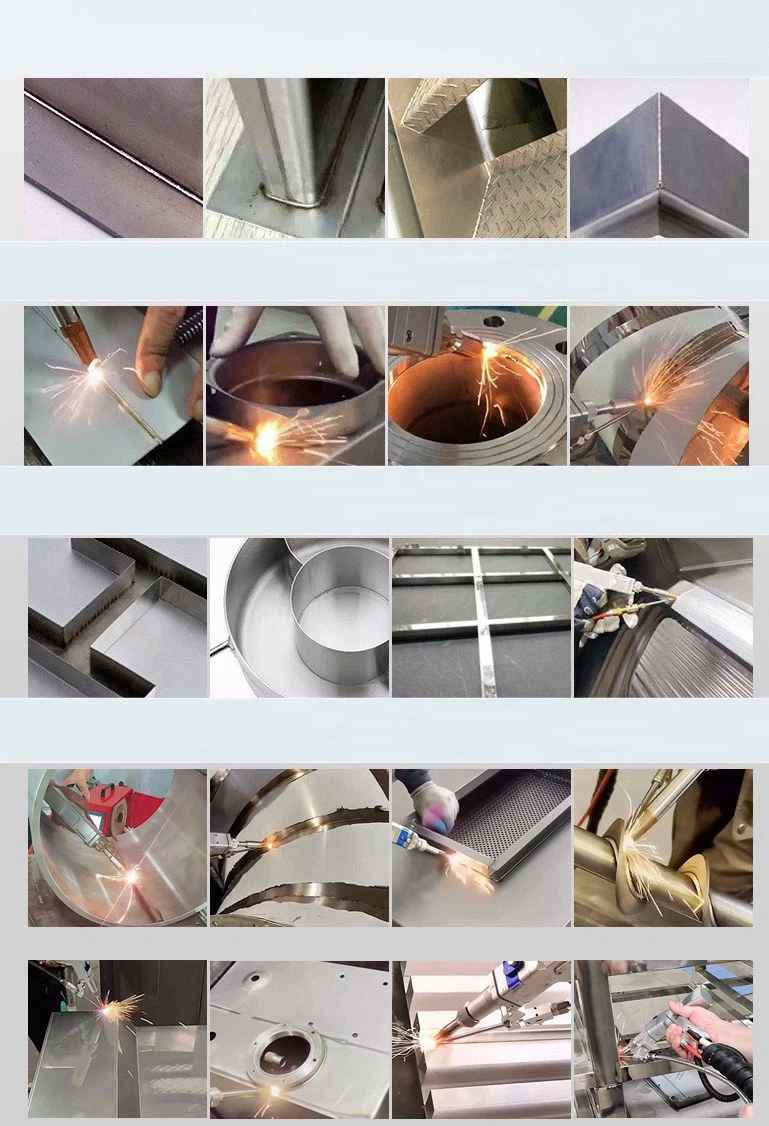
When laser welding machine weld, inert gas is often used to protect the molten pool. When there is no surface oxidation of the welded material, protective gas may not be considered. But in most cases, protective gas is still needed. Below is an introduction to the types and functions of protective gases used in laser welding machine.
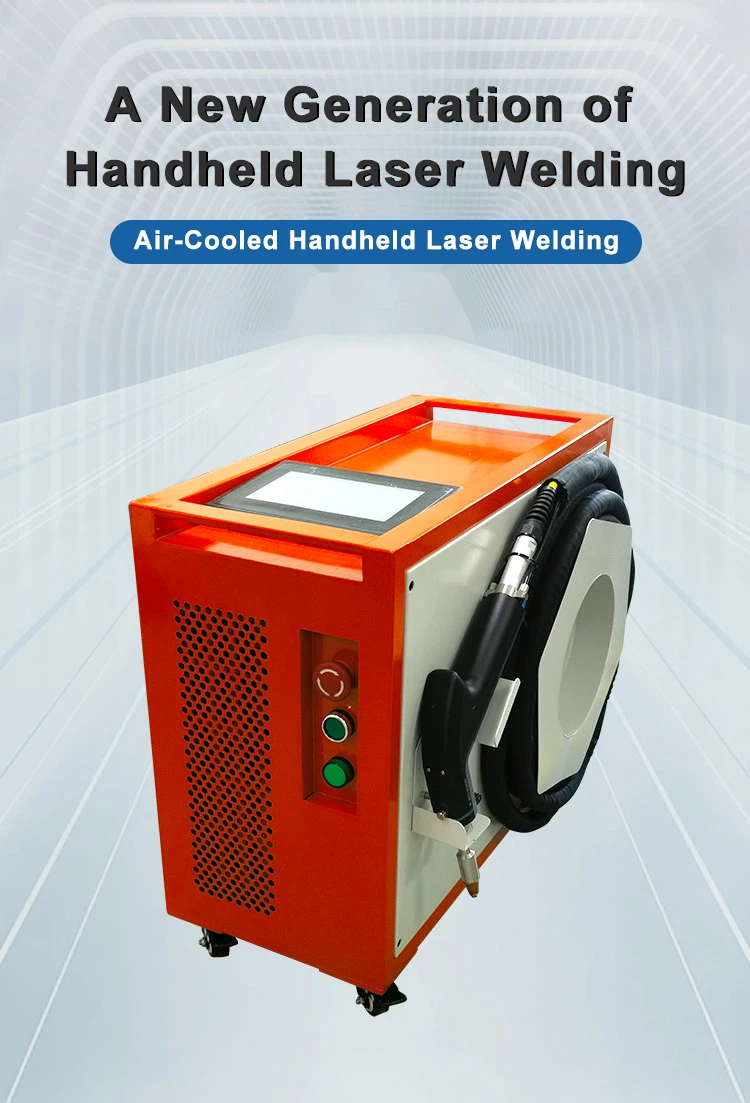
Laser welding machine types of protective gases.
1.Nitrogen gas is the most cost-effective, but it is not suitable for some stainless steel welding.
2.Helium gas is more expensive, but it has the best effect, allowing the laser to pass through without obstruction and reach the surface of the workpiece.
3.Argon gas is cheaper in cost, has a higher density, and has a better protective effect. The surface of the welded part is smoother than helium gas, but it is susceptible to high-temperature metal plasma ionization, shielding some of the beam from being directed towards the workpiece, reducing the effective power of welding, and hindering welding speed and penetration.
Laser welding machine protective gas's role.
1.The protective gas can dissipate the plasma shielding brought about by high-power laser welding. Metal vapor absorbs a laser beam and ionizes into a plasma cloud. The protective gas around the metal vapor also ionizes due to heating. By increasing the collision of electrons with ions and neutral atoms, the recombination rate of electrons is increased, thereby reducing the electron density in the plasma. Helium has the best effect.
2.It can prevent the laser welding machine from being processed continuously. To protect the workpiece from oxidation during the welding process, when using protective gas in laser welding machines, it is necessary to set the protective gas first and then emit the laser, which can prevent pulse laser oxidation during the uninterrupted processing of the laser welding machine.
3.Protecting the focusing lens from metal vapor pollution and splashing of liquid droplets, especially in high-power welding, is necessary due to the powerful ejecta.