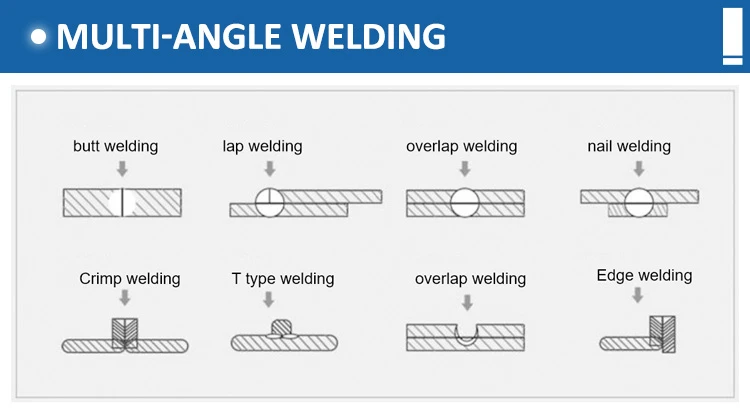
Laser welding is one of the important aspects of the application of laser processing technology. Laser radiation heats the surface of the workpiece, and the surface heat diffuses internally through heat transfer. By controlling parameters such as laser pulse width, energy, power density, and repetition frequency, the workpiece is melted to form a specific molten pool. Due to its unique advantages, it has been successfully applied in the welding of micro and small parts. The emergence of high-power CO2 lasers and high-power YAG lasers has opened up a new field of laser welding. Deep penetration welding based on the small hole effect has been obtained and is increasingly widely used in industrial sectors such as machinery, automobiles, and steel.
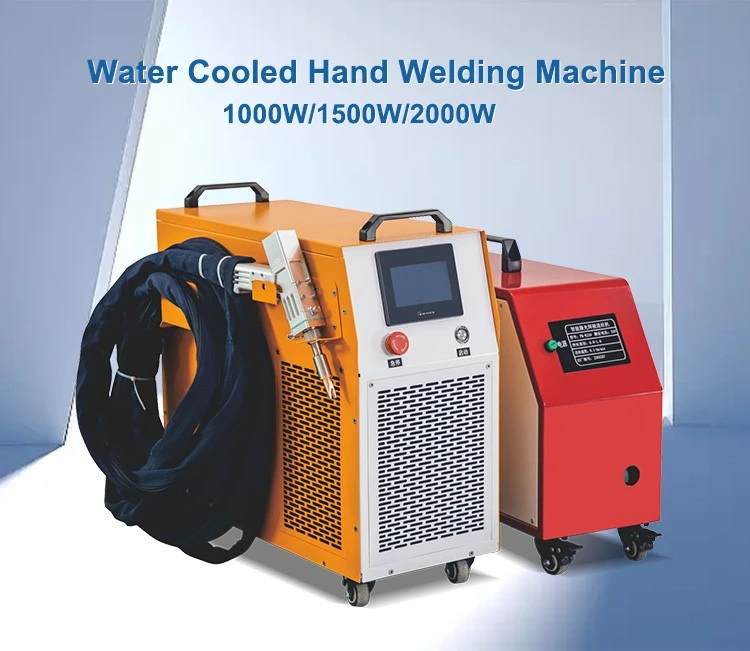
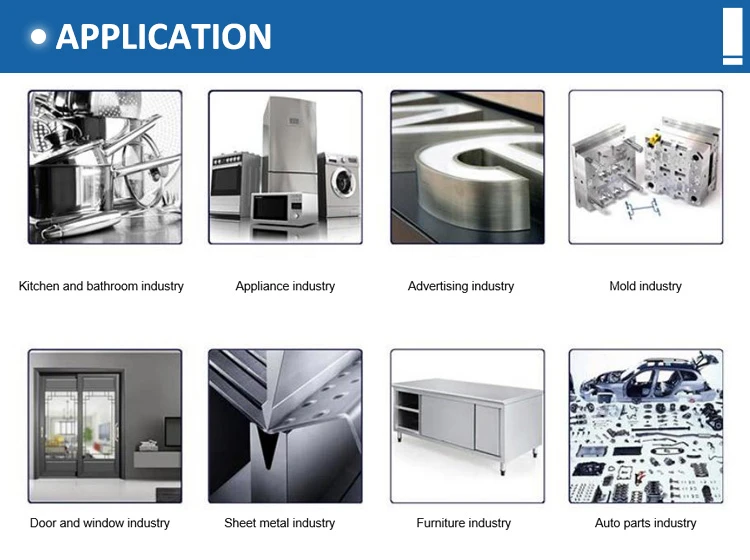
Laser welding machine can weld difficult to access parts and perform non-contact long-distance welding, with great flexibility. The use of fiber optic transmission technology in YAG laser technology has made laser welding machine technology more widely used. Laser beams are easy to achieve beam splitting in time and space, allowing for simultaneous processing of multiple beams, providing conditions for more precise welding. For example, laser welding machine can be used for sealing devices such as thick and thin car bodies, car parts, lithium batteries, pacemakers, sealed relays, and various devices that do not allow welding contamination and deformation.
Laser welding machine technology has a pool purification effect, which can purify the weld metal and is suitable for welding between the same and different metal materials. Laser welding has a high energy density, which is particularly advantageous for metal welding with high melting points, high reflectivity, high thermal conductivity, and significant differences in physical properties.