


What is Laser Paint Stripping and Why is it Gaining Attention?
Picture the almost magical sight of paint vanishing instantly beneath a focused beam of light-a visual that's captivated millions in viral videos. This is the power of laser paint stripping, a non-contact process that uses concentrated laser energy to remove paint, varnish, rust, and other coatings through a method known as laser ablation. Unlike traditional techniques, laser paint removal offers high precision, minimal waste, chemical-free operation, and often much faster results. It's a solution valued by industries like aerospace and automotive, restoration specialists working on delicate items, and even serious DIYers or hobbyists using portable units.
How Does Laser Paint Removal Actually Work? (The Technology Explained)
Laser ablation is the core process behind every laser paint stripper. Here's how it works:
Energy Absorption: High-energy, usually pulsed, laser light is absorbed by the paint or coating.
Rapid Heating: This energy quickly heats the coating, causing it to vaporize or sublimate (turn directly from solid to gas).
Ablation Threshold: The laser must deliver enough energy to reach the ablation threshold-the minimum required to break down the coating molecules.
Wavelength Optimization: Lasers are tuned so the paint absorbs energy efficiently, but the underlying material (metal, wood, etc.) does not, ensuring precise removal with minimal substrate damage.
Fume Extraction: Vaporized coating forms fumes and particulates that must be captured with proper extraction or ventilation for safety and compliance.
A diagram or short video can be helpful here to visualize the process.
Types of Laser Paint Stripping Systems: Finding the Right Tool
Laser Sources: Most systems use fiber lasers, Q-switched lasers, or sometimes diode lasers. Pulsed fiber lasers are especially popular for automotive and precision jobs.
System Formats:
Portable/Handheld units are ideal for small jobs, fieldwork, or DIY.
Industrial/Automated systems handle high-volume or large-scale projects, often with robotic integration.
Power Levels: Ranging from low-power (around 100W) for detailed work to high-power (up to several thousand watts) for rapid, large-scale removal. Higher power boosts speed but also increases the risk of substrate damage if not properly controlled.
Key Specifications: Important specs include pulse frequency, wavelength, beam spot size, input power, cooling systems, and user interface.
Where Can You Use Laser Paint Strippers? (Applications & Materials)
Industrial Applications
Automotive: Car body restoration, paint stripping for repairs or resprays, including removing white paint from cars.
Aerospace: Precise coating removal for aircraft maintenance and inspection.
Marine: Refurbishing boat hulls and components.
Manufacturing: Surface prep, mold cleaning, and general industrial cleaning.
Restoration & Delicate Surfaces
Laser paint removers are ideal for historical artifact conservation, cleaning intricate surfaces, and furniture stripping (removing varnish or stain). They excel in hard-to-reach areas like grooves and corners.
Material Suitability
Metals: Excellent for paint and rust removal, often leaving a textured surface that's ideal for repainting.
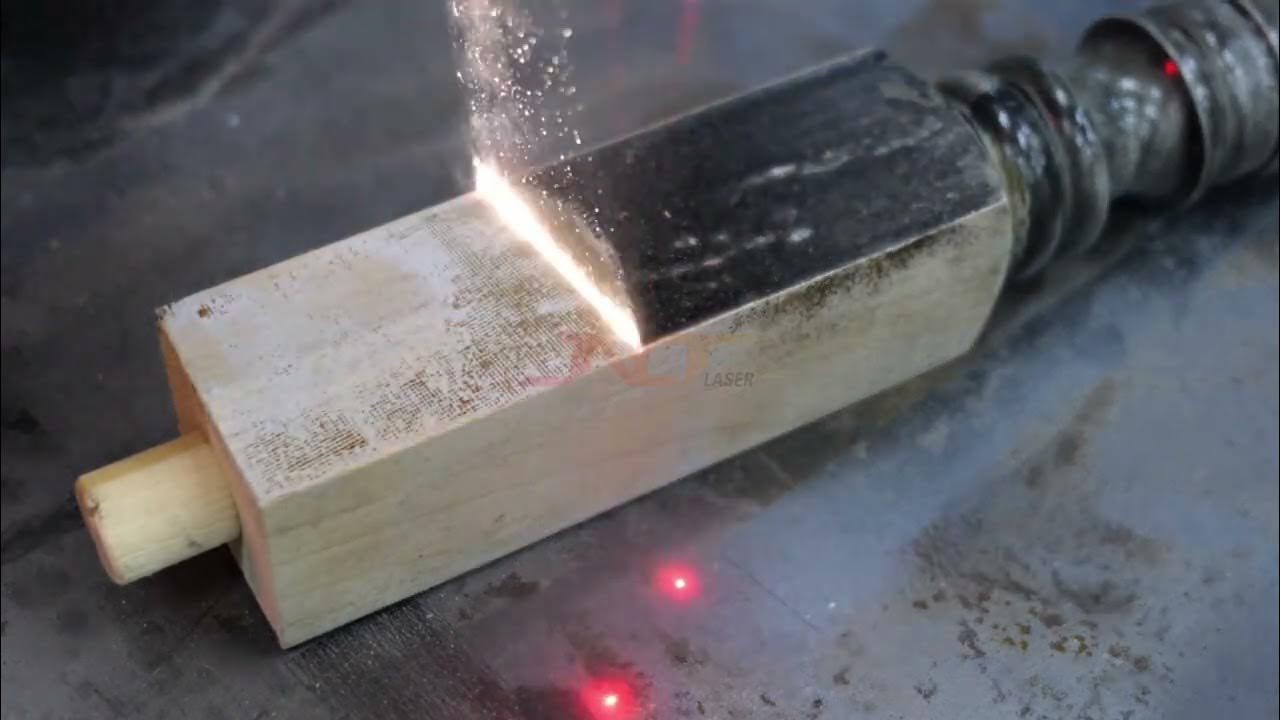
Wood: Effective for varnish, stain, and paint removal, but settings must be carefully adjusted to prevent burns or scorching. After cleaning, dust or wipe with acetone for best results.
Composites & Others: Suitability varies; always test on a small area first.
DIY & Small-Scale Potential
Portable laser paint removal tools are increasingly popular for furniture restoration, hobbyist metalwork, and small auto touch-ups. Even small machines require a significant investment and adherence to safety protocols.
Laser Stripping vs. Traditional Methods
| Method | Speed/Efficiency | Precision | Substrate Impact | Waste Generation | Environmental Impact | Operator Safety/Health Risks | Setup/Masking | Cost Profile |
|---|---|---|---|---|---|---|---|---|
| Laser | High | Highest | Minimal if tuned | Minimal fumes | Chemical-free, low waste | Beam/fume risk managed by PPE/extraction | Less masking | High upfront, lower ongoing |
| Chemical | Medium | Moderate | Can damage the substrate | Chemical sludge | VOCs, hazardous disposal | Chemical exposure | More masking | Lower upfront, high consumables |
| Sanding/Blasting | Low-Medium | Low-Moderate | Can abrade/damage | Dust/debris | Dust, abrasive disposal | Respiratory hazards | More masking | Varies |
Laser paint removers stand out for speed, precision, and eco-friendliness, but require higher initial investment and proper training. Traditional methods may be cheaper upfront but involve more labor, waste, and health risks.
Safety First: Operating Laser Paint Strippers Responsibly
Laser Safety Eyewear: Must be rated for the specific laser wavelength and power-regular safety glasses are not sufficient.
Respirator: Required for protection against fumes and particulates; type depends on the coating being removed.
Protective Clothing: Non-flammable clothing, gloves, and aprons as needed.
Work Area Safety: Set up a controlled, ventilated zone with fume extraction. Remove flammable materials and use steady, continuous motion to avoid overheating.
Training: Formal operator training is strongly recommended, especially for industrial systems.
Checklist: Always inspect the machine, verify PPE, ensure proper ventilation, and test on a scrap surface before starting.
Cost, ROI, and Purchase Considerations
Price Ranges: Portable laser paint stripping machines typically cost $15,000–$20,000, while industrial systems are higher.
Total Cost of Ownership: Includes electricity, consumables (like protective lenses and fume extractor filters), maintenance, and PPE.
ROI Calculation: Weigh the initial investment against savings from eliminating chemicals, reducing labor, minimizing waste, and faster project completion.
Where to Buy: Contact manufacturers, authorized distributors, or specialized suppliers. For portable units, check if stands and manuals are included, and verify electrical requirements.
The Future of Laser Cleaning & Related Opportunities
Innovation: Expect AI-powered precision control, hybrid systems, and more portable, user-friendly designs.
Related Applications: Laser technology is also used for rust removal, mold cleaning, and surface texturing.
Maintenance & Longevity: Follow manufacturer guidelines for cleaning and upkeep to maximize lifespan and performance.
Conclusion: Is Laser Paint Stripping Right for You?
Laser paint removers offer unmatched precision, eco-friendliness, and speed, but require significant investment and strict safety protocols. For industrial users, the ROI can be substantial, especially where speed, quality, and environmental compliance are priorities. For hobbyists or small businesses, carefully weigh the cost and safety requirements against the benefits for your projects.
Next Steps: Explore case studies, request quotes, download a safety checklist, or use an ROI calculator to assess your needs.

Frequently Asked Questions
Can a laser paint stripper remove powder coating or specific types of paint?
Yes, most lasers can remove a wide range of coatings, including powder coat, but effectiveness depends on the coating's thickness and composition.
How fast is laser paint removal compared to sandblasting?
Laser removal is often significantly faster, especially for detailed or complex surfaces.
Is it safe for fiberglass or composites?
Suitability varies; always test on a small area and consult the manufacturer.
What are the main safety risks?
Eye injury from the beam, inhalation of fumes, and potential substrate damage if misused. Use proper PPE and ventilation.
How much maintenance do these machines need?
Regular cleaning, lens replacement, and filter changes are typical.
Can I rent a laser paint stripper?
Some suppliers offer rentals-check with local equipment providers.
What's the difference between laser cleaning and laser paint stripping?
Laser cleaning removes contaminants (rust, grease, etc.), while laser paint stripping specifically targets paint or coatings.


